Dog travel
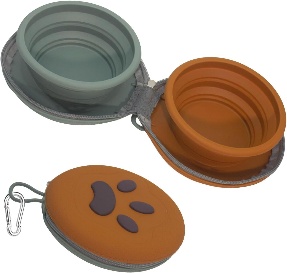
Collapsible Travel Bowl for Dogs
Compact foldable bowl for water or food. Practical for road trips, camping, RV travel and roadside breaks.
View on Amazon →Choosing a motorcycle dog carrier is the difference between a stressful ride and a good one. Here is the gear we actually use with Harley, tested on the road across Quebec and down to Florida — plus what we got wrong before we got it right.
Gear to travel, protect, carry and style your dog on the road.
Compact foldable bowl for water or food. Practical for road trips, camping, RV travel and roadside breaks.
View on Amazon →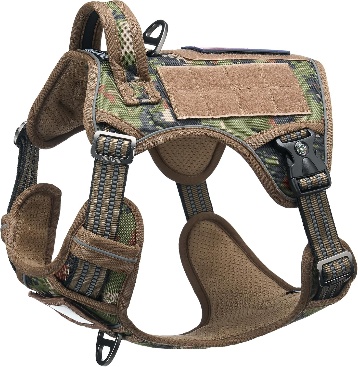
Heavy-duty harness with control handle, reflective details and attachment points for outdoor adventures.
View on Amazon →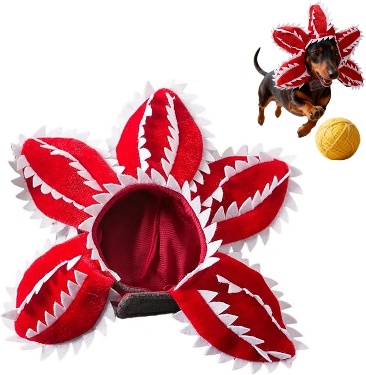
Funny costume for photos, Halloween, videos and social media content.
View on Amazon →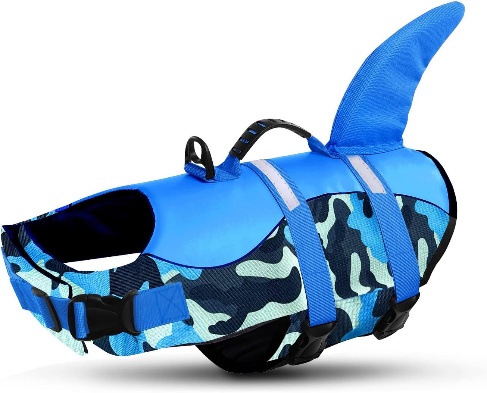
Dog flotation vest with rescue handle, reflective strips and shark fin for water adventures.
View on Amazon →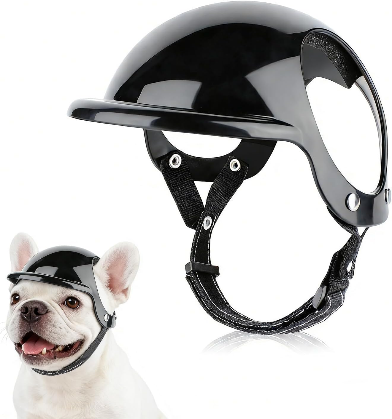
Biker-style accessory for photos and videos. Decorative only; not protective safety equipment.
View on Amazon →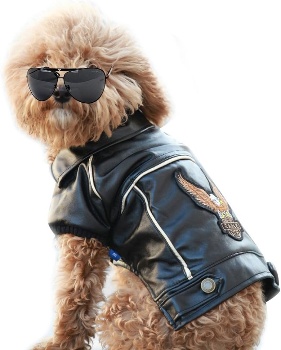
Motorcycle-style jacket with leather-look finish, perfect for the Harley Bikers Dog look.
View on Amazon →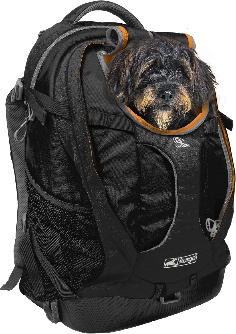
Durable small-dog carrier backpack for road trips, camping, hiking and RV adventures.
View on Amazon →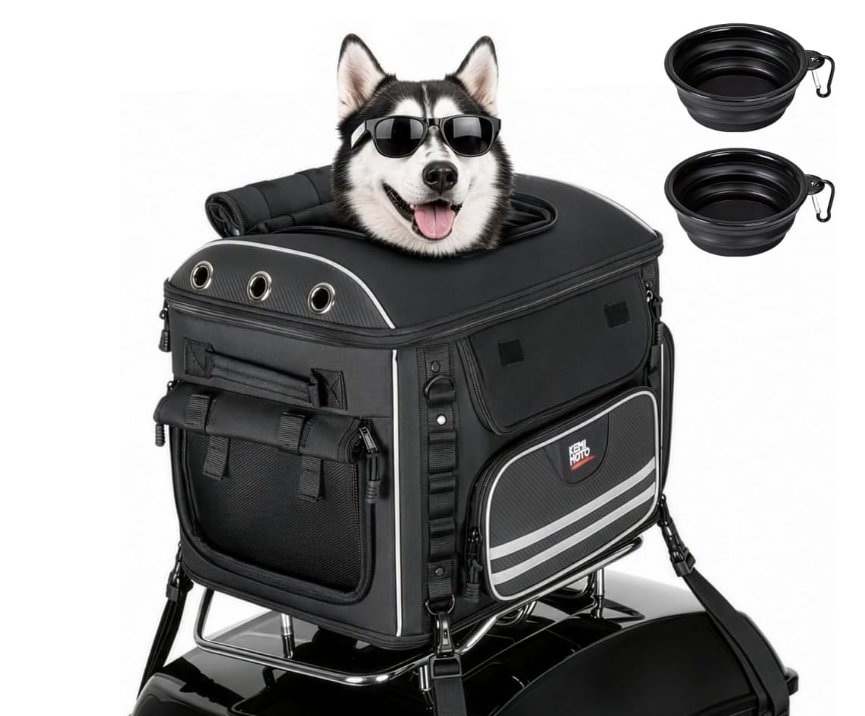
Motorcycle carrier designed for a small dog, with ventilation openings, mesh panels, mounting straps, exterior pockets and two collapsible bowls. Always confirm the dimensions, weight limit, motorcycle compatibility and the manufacturer’s instructions before use.
View on Amazon →A motorcycle dog carrier is the one piece of gear you cannot improvise. Everything else on this page makes a ride better — the carrier is what makes it possible at all.
Harley rides in a carrier strapped to the bike, made for dogs. We did not get it right on the first try, and here is what we would tell anyone starting out.
Most motorcycle dog carriers are built for small dogs, roughly under 20 pounds. That is a hard limit, not a suggestion — weight distribution on a bike matters, and a carrier rated for a small dog will not hold a bigger one safely.
Measure your dog lying down, not standing. A dog on a long ride settles and stretches out. A carrier that fits a sitting dog will feel like a box after two hours.
Mesh panels on more than one side. A dog in a carrier gets less airflow than you do, and they cannot tell you when it is too warm. On the road in summer, this is the difference between a dog who sleeps and a dog who panics.
Look at how the straps attach to your specific bike before ordering. Universal mounting systems work on most setups, but "most" is doing a lot of work in that sentence. Check that nothing blocks your controls, your mirrors or your ability to put a foot down.
Test the mount in a parking lot with the carrier empty. Then with something heavy inside. Then with the dog, on a short loop close to home. Never test a new carrier for the first time on a highway.
A dog motorcycle harness does more than the name suggests. A tactical harness with a control handle earns its place well beyond the bike. The handle lets you lift a dog into a carrier, hold them steady at a gas station, or guide them past something they would rather investigate. Reflective details matter more than people expect at dusk.
A harness is also safer than a collar for any travel. Pressure goes across the chest instead of the throat.
Collapsible bowls sound trivial until you are on the road. Harley free-feeds at home — his bowl is always full and he eats when he feels like it. That is not possible on a bike, so both bowls come out at every stop, food and water together, not just at meal times.
Bring two. Water in one, food in the other. Trying to do both with one bowl means one of them waits.
Different job than the motorcycle carrier. Once the bike is parked, a backpack carrier is what gets a small dog through a town, a trail or a busy campground without being underfoot. It also works in the RV and on foot.
If your trips include water — a lake, a river, a boat — a flotation vest with a rescue handle is worth having. The handle is the actual feature. Getting a wet dog out of the water without one is harder than it sounds.
Squeaky toys. They carry across an entire campground and make you the least popular site in the loop.
Anything that promises to be protective without being certified for it. The decorative helmet on this page is exactly that — a decorative helmet, good for photos and videos. It is not safety equipment and we do not present it as such. Nobody makes a real protective helmet for dogs.
Elaborate travel crates when a familiar mat from home does the same job. The smell of home settles a dog faster than any product we have bought.
Start with the engine off. Let the dog get in the carrier in the driveway, with the bike parked. Treats, no pressure, no time limit.
Then the engine running, still parked. The sound and the vibration are new information and a dog needs to file them somewhere.
Then a short loop, five minutes, quiet streets. Then longer. Some dogs are ready in two days, some take two weeks, and some never take to it — and that last one is a real answer that has to be respected.
Watch the ground temperature at every stop. Asphalt in July burns paws in seconds. Hand on the pavement before the dog comes down, every time.
Most motorcycle dog carriers are rated for small dogs, roughly under 20 pounds. Check the manufacturer's weight limit and measure your dog lying down rather than sitting.
Wind and grit at speed are hard on a dog's eyes. Goggles look ridiculous and they do a real job. Introduce them at home, in short sessions, well before the first ride.
Often — more often than you would riding alone. A dog cannot tell you they are stiff, too warm or thirsty. We put both bowls down at every stop rather than waiting for a mealtime.
No. Products sold as dog motorcycle helmets are decorative accessories for photos and videos. There is no certified protective helmet for dogs. Ride within your limits and treat the carrier itself as the safety equipment.